
Root canal treatment in Barcelona
We treat the inside of the tooth to help you preserve it.
When the pulp, the tissue inside the tooth, is damaged or infected, root canal treatment can save your natural tooth and prevent extraction. We assess each case individually and explain the process with clarity and reassurance.
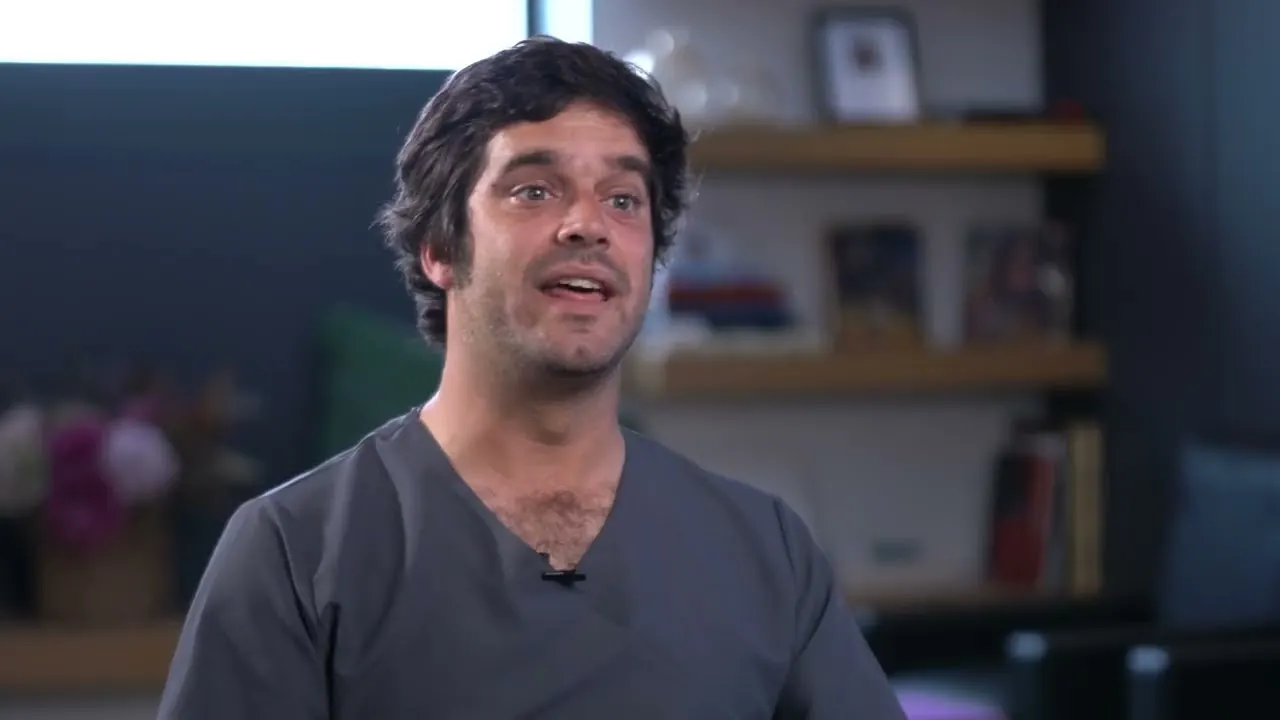
Treated byDr. Marc EncinasSpecialist in root canal treatment (endodontics)

When a tooth can be saved, it is well worth the effort
Root canal treatment (endodontics) focuses on the internal part of the tooth, where the pulp and nerves are located. When this tissue becomes inflamed or infected, it may be necessary to remove it, clean the inside of the root canals, and seal them to prevent further infection.
It may be recommended in cases of deep decay, trauma, or damage affecting the pulp. Warning signs include spontaneous pain, prolonged sensitivity to hot or cold, and discomfort when chewing. However, some conditions progress painlessly, which is why having it assessed is advisable even if symptoms are not obvious.
The expertise of Dr Marc Encinas
Dr Marc Encinas is an expert in conditions affecting the most sensitive structure of the tooth, and a lecturer in the Department of Endodontics at Universitat Internacional de Catalunya (UIC).
His specialist knowledge enables him to treat each case with meticulous attention to detail and a clear goal: preserving your natural tooth whenever possible.
How is root canal treatment performed?
Dr Marc Encinas usually carries it out in a single session, although the duration depends on the tooth and the complexity of the case. It involves four steps:
Diagnosis
We examine the tooth and carry out the necessary tests to determine the extent of the problem.
Accessing the inside of the tooth
Using local anaesthetic, we access the affected pulp.
Cleaning and sealing
We clean and disinfect the root canals and seal them to reduce the risk of infection.
Restoration
We rebuild the tooth to restore its function and protect it according to its specific needs.
Does root canal treatment hurt?
It is carried out under local anaesthetic to manage pain throughout the procedure. Afterwards, you may notice some sensitivity or mild discomfort for a few days, particularly when chewing. The intensity and duration depend on the tooth's previous condition. If the pain increases, persists, or new symptoms appear, please contact us.
How to care for your tooth afterwards
Follow your dentist's instructions and maintain good oral hygiene. Until the tooth is permanently restored, avoid chewing hard foods on that tooth.
The final restoration is essential. Depending on how much tooth structure has been lost, a composite restoration may suffice, or a crown may be recommended to protect the tooth against potential fractures.
What if a root-treated tooth begins to hurt again?
This can happen for various reasons, such as a new infection, marginal leakage, or a crack. It must be examined to determine the cause. Depending on the diagnosis, root canal retreatment or another alternative will be considered, based on the condition of the tooth and its potential for recovery.
Frequently asked questions about root canal treatment
We know you may have questions, doubts, and perhaps a little apprehension. Breathe and smile: you are in good hands. Take your time, read through comfortably, and if you cannot find what you are looking for, simply get in touch.
How long does a tooth last after root canal treatment?
It can last for many years. It depends on the remaining tooth structure, the quality of the restoration, and your oral hygiene habits. Regular check-ups help monitor its progress.
Is a crown always necessary afterwards?
Not always. It depends on the prior damage and how much healthy tooth structure remains. Sometimes a direct restoration is sufficient; in other cases, a crown provides essential extra protection.
Can root canal treatment be avoided?
It depends on the health of the pulp and the extent of damage to the tooth. Some issues can be treated with other techniques, whereas an irreversibly damaged or infected pulp may require root canal treatment. A timely assessment helps determine the best approach.
Does it guarantee that the tooth will be saved?
Not in every case. The prognosis depends on the extent of the damage, whether cracks are present, and whether the tooth can be properly restored. The diagnosis allows us to assess the options and explain what you can expect.

Root canal treatment in Barcelona
Do you need an assessment for a tooth that concerns you?
Opening hours
- Monday
- 8:00–19:00
- Tuesday
- 8:00–20:00
- Wednesday
- 8:00–19:00
- Thursday
- 8:00–20:00
- Friday
- 8:00–19:00
- Saturday
- Closed
- Sunday
- Closed
Nearest car park (2 minutes)
Les Amèriques, Carrer de Santaló, 30